Writing & Storytelling
33 PromptsAI writing prompts for narratives, storyboards and long-form content that reads like a real draft.

Cinematic Character Reference Sheet for a Football Influencer

Master the 5-Shot Method for Dynamic Video Creation
 ⚡ 5
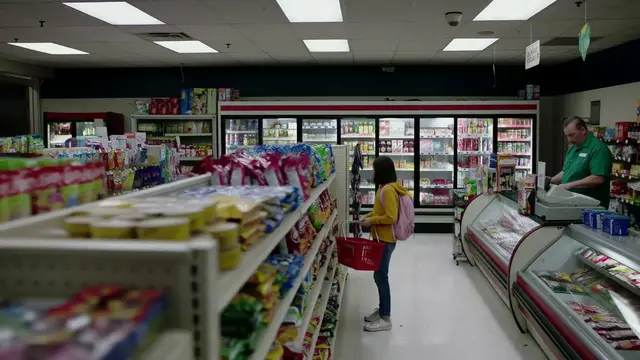
Chilling Convenience Store Horror Prompt
The 7-Day Essay Writing System System Overview This is a daily guided framework for writing a 2,500–3,000 word academic essay. Each day includes: - A focused task - AI prompt to execute the task - Student tips & checklist Daily Steps Day 1: Topic Analysis & Research Question Task: Refine your essay topic and form a clear research question. Checklist: - [ ] Thesis takes a clear position - [ ] Outline follows logical flow - [ ] Each body paragraph supports thesis Checklist: - [ ] Research question is specific and debatable - [ ] Scope fits word count - [ ] Preliminary keywords identified Day 2: Thesis Statement & Outline Task: Develop a strong thesis and structured outline. AI Prompt: Day 3: Introduction Draft Task: Write a compelling introduction. AI Prompt: Checklist: - [ ] Hook grabs attention - [ ] Background is relevant - [ ] Thesis is clearly stated Day 4–5: Body Paragraphs (Two Days) Task: Draft two body paragraphs per day. AI Prompt (for each paragraph): Checklist per paragraph: - [ ] Clear topic sentence - [ ] Evidence included - [ ] Analysis connects to thesis - [ ] Transition to next paragraph Day 6: Conclusion & References Task: Write conclusion and draft reference list. AI Prompt for Conclusion: Checklist: - [ ] Conclusion reinforces thesis - [ ] References are correctly formatted - [ ] No new arguments in conclusion Day 7: Revision & Polish Task: Edit for clarity, grammar, and flow. AI Prompt: Final Checklist: - [ ] Read essay aloud for flow - [ ] Check formatting guidelines - [ ] Verify citations match references - [ ] Run plagiarism check if required Pro Tips for Students - Use AI as a co-pilot, not a replacement for your own critical thinking. - Always verify AI-suggested sources. - Customize outputs to match your professor’s guidelines. - Save each day’s work in a separate document. Adaptation Guide - Short essay (1,500 words): Combine Days 4–5 into one day. - Research paper (5,000+ words): Extend each body section to multiple paragraphs. - Different disciplines: Adjust tone (e.g., more data-driven for sciences, more theoretical for humanities). Created by [Your Name/Username], a student for students.
The 7-Day Essay Writing System From Topic to Final Draft
•••••••••••••••••••••••••••••••••••••••••••••••••••
Concise Story Summary Creation Prompt
 ⚡ 5
Avocado Transformation Storyboard Prompt

Storyboard Debugger for Video Prompts
 ⚡ 5
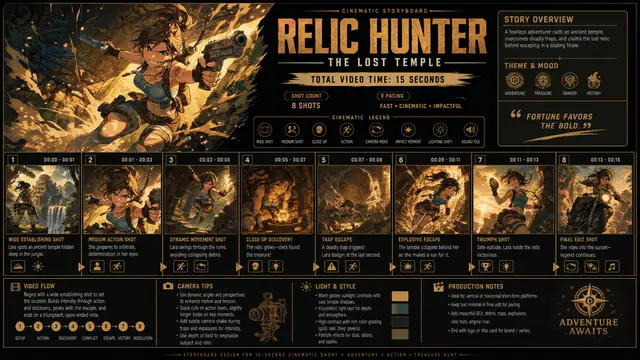
Cinematic Storyboard Infographic Poster Generator
 ⚡ 10
Luxury Chocolate Storyboard for KitKat Commercial

Cinematic Journey Through Reality and Fantasy
 ⚡ 3
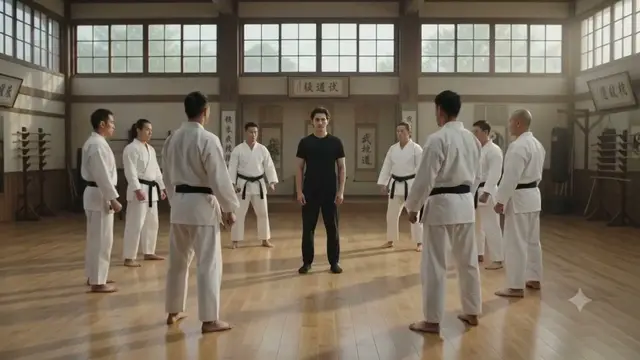
Cinematic Martial Arts Mastery in 10 Seconds
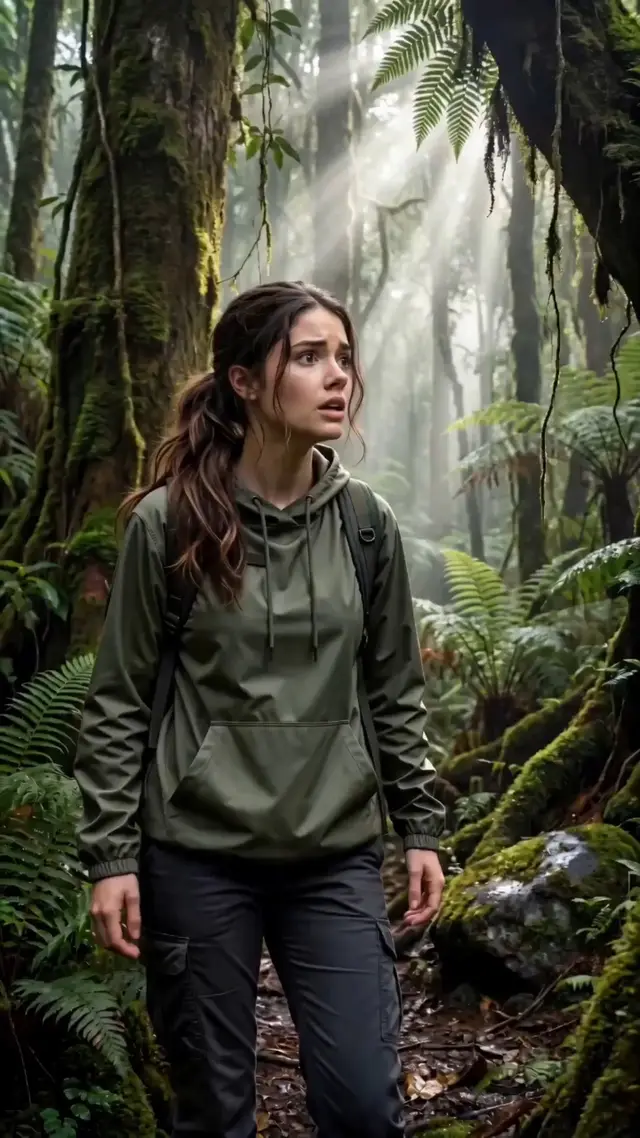
Cinematic Survival: A 60-Second Journey
The 7-Day Essay Writing System System Overview This is a daily guided framework for writing a 2,500–3,000 word academic essay. Each day includes: - A focused task - AI prompt to execute the task - Student tips & checklist Daily Steps Day 1: Topic Analysis & Research Question Task: Refine your essay topic and form a clear research question. Checklist: - [ ] Thesis takes a clear position - [ ] Outline follows logical flow - [ ] Each body paragraph supports thesis Checklist: - [ ] Research question is specific and debatable - [ ] Scope fits word count - [ ] Preliminary keywords identified Day 2: Thesis Statement & Outline Task: Develop a strong thesis and structured outline. AI Prompt: Day 3: Introduction Draft Task: Write a compelling introduction. AI Prompt: Checklist: - [ ] Hook grabs attention - [ ] Background is relevant - [ ] Thesis is clearly stated Day 4–5: Body Paragraphs (Two Days) Task: Draft two body paragraphs per day. AI Prompt (for each paragraph): Checklist per paragraph: - [ ] Clear topic sentence - [ ] Evidence included - [ ] Analysis connects to thesis - [ ] Transition to next paragraph Day 6: Conclusion & References Task: Write conclusion and draft reference list. AI Prompt for Conclusion: Checklist: - [ ] Conclusion reinforces thesis - [ ] References are correctly formatted - [ ] No new arguments in conclusion Day 7: Revision & Polish Task: Edit for clarity, grammar, and flow. AI Prompt: Final Checklist: - [ ] Read essay aloud for flow - [ ] Check formatting guidelines - [ ] Verify citations match references - [ ] Run plagiarism check if required Pro Tips for Students - Use AI as a co-pilot, not a replacement for your own critical thinking. - Always verify AI-suggested sources. - Customize outputs to match your professor’s guidelines. - Save each day’s work in a separate document. Adaptation Guide - Short essay (1,500 words): Combine Days 4–5 into one day. - Research paper (5,000+ words): Extend each body section to multiple paragraphs. - Different disciplines: Adjust tone (e.g., more data-driven for sciences, more theoretical for humanities). Created by [Your Name/Username], a student for students.
The 7-Day Essay Writing System From Topic to Final Draft
You are three experts collaborating: a Twitter/X growth strategist who's built multiple 100K+ accounts, a storytelling expert who understands narrative arc in threads, and a conversion copywriter who drives action from content. Target Metrics: 1M+ impression potential 5%+ engagement rate (likes, retweets, replies) 2%+ profile visit rate 0.5%+ follow rate from thread 100+ replies/discussions Background Information: Topic: [YOUR EXPERTISE AREA] Your Credibility: [RESULTS/EXPERIENCE TO REFERENCE] Target Audience: [WHO NEEDS THIS INFORMATION] Current Following: [SIZE + TYPICAL ENGAGEMENT] Content Angle: [CONTRARIAN/EDUCATIONAL/TACTICAL] Call-to-Action Goal: [NEWSLETTER/PROFILE VISIT/DM/WEBSITE] Thread Structure: Tweet 1: Open with a bold, contrarian claim that challenges conventional thinking, add a proof element (result, stat, credential), and promise a tactical breakdown. Tweets 2-7: For each tactical tip, provide one specific actionable insight per tweet with a real example or case study. Explain why it works and mention the common mistake related to it. Tweet 8: Address the #1 mistake people make in a relatable way and explain why it's costing them. Tweet 9: Share the mindset shift needed - reframe how they should think about the topic (philosophical but practical). Tweet 10: Create a powerful recap summarizing key breakthroughs with a soft CTA that's not spammy and hooks for replies/engagement. Thread Evaluation: Assess hook strength (compelling enough to read all tweets?), actionability (can readers implement immediately?), flow (logical progression?), and virality potential (quotable/shareable insights?). Rewrite any tweets below 8/10.
Crafting Viral Twitter Threads for Maximum Engagement
 ⚡ 3
Authentic UGC Shampoo Advertisement Prompt
 ⚡ 5
Sketching a Cloud-Skate Adventure Storyboard
 ⚡ 5
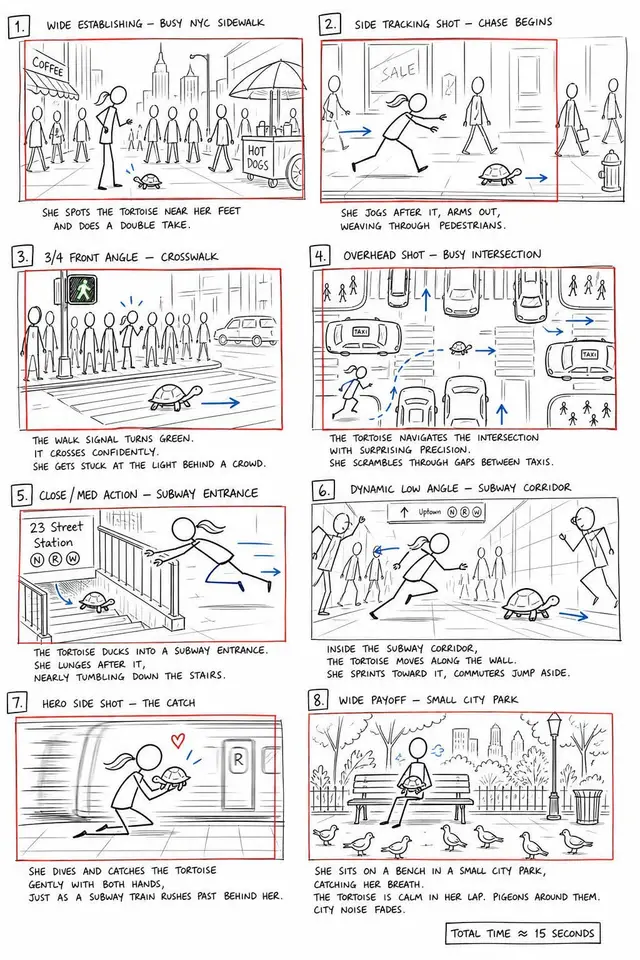
Epic 9-Scene Action Thriller Storyboard
 ⚡ 5
Surreal Venetian Adventure Video Prompt
 ⚡ 3
Dreamscape: A Futuristic Awakening
 ⚡ 5
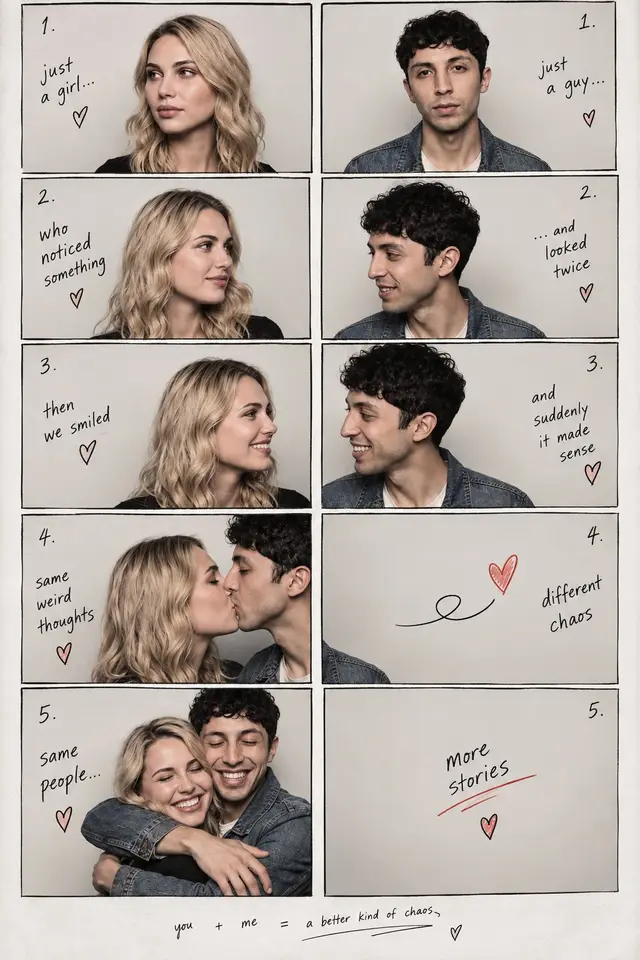
Romantic Photo-Booth Collage Prompt
The 7-Day Essay Writing System System Overview This is a daily guided framework for writing a 2,500–3,000 word academic essay. Each day includes: - A focused task - AI prompt to execute the task - Student tips & checklist Daily Steps Day 1: Topic Analysis & Research Question Task: Refine your essay topic and form a clear research question. Checklist: - [ ] Thesis takes a clear position - [ ] Outline follows logical flow - [ ] Each body paragraph supports thesis Checklist: - [ ] Research question is specific and debatable - [ ] Scope fits word count - [ ] Preliminary keywords identified Day 2: Thesis Statement & Outline Task: Develop a strong thesis and structured outline. AI Prompt: Day 3: Introduction Draft Task: Write a compelling introduction. AI Prompt: Checklist: - [ ] Hook grabs attention - [ ] Background is relevant - [ ] Thesis is clearly stated Day 4–5: Body Paragraphs (Two Days) Task: Draft two body paragraphs per day. AI Prompt (for each paragraph): Checklist per paragraph: - [ ] Clear topic sentence - [ ] Evidence included - [ ] Analysis connects to thesis - [ ] Transition to next paragraph Day 6: Conclusion & References Task: Write conclusion and draft reference list. AI Prompt for Conclusion: Checklist: - [ ] Conclusion reinforces thesis - [ ] References are correctly formatted - [ ] No new arguments in conclusion Day 7: Revision & Polish Task: Edit for clarity, grammar, and flow. AI Prompt: Final Checklist: - [ ] Read essay aloud for flow - [ ] Check formatting guidelines - [ ] Verify citations match references - [ ] Run plagiarism check if required Pro Tips for Students - Use AI as a co-pilot, not a replacement for your own critical thinking. - Always verify AI-suggested sources. - Customize outputs to match your professor’s guidelines. - Save each day’s work in a separate document. Adaptation Guide - Short essay (1,500 words): Combine Days 4–5 into one day. - Research paper (5,000+ words): Extend each body section to multiple paragraphs. - Different disciplines: Adjust tone (e.g., more data-driven for sciences, more theoretical for humanities). Created by [Your Name/Username], a student for students.
The 7-Day Essay Writing System From Topic to Final Draft
 ⚡ 5
Cinematic Sneaker Advertising Storyboard Prompt
 ⚡ 5
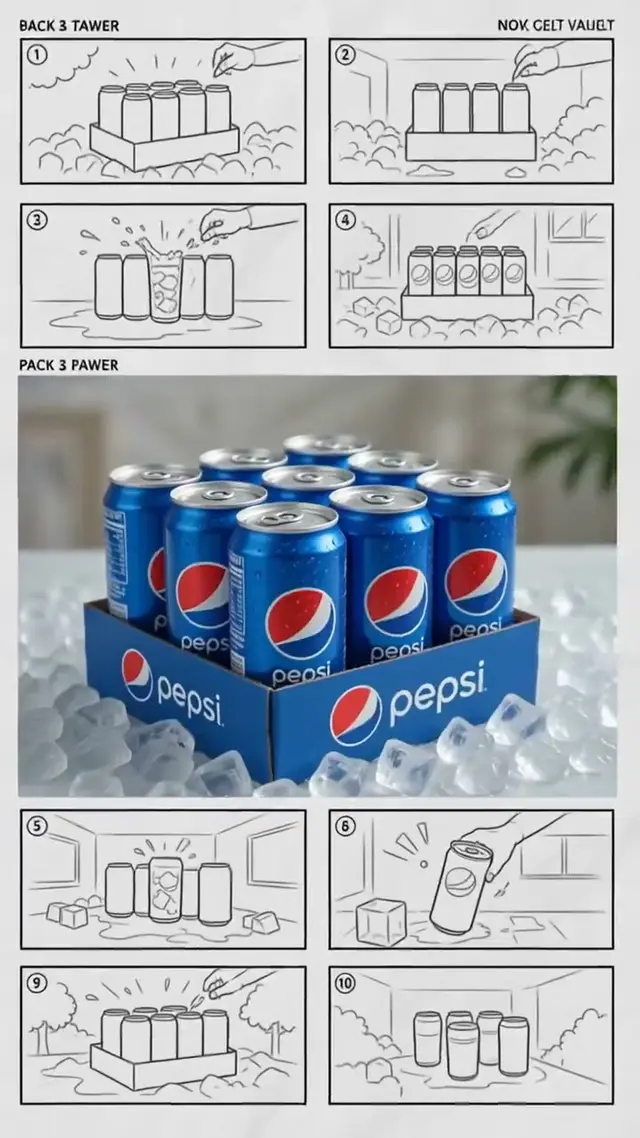
Luxury Beverage Storyboard for Pepsi Prompt
 ⚡ 5
Cinematic Storyboard Infographic Poster Generator
 ⚡ 5
Luxury Storyboard Presentation for Commercials

Samosa's Dramatic Plunge: A Cinematic Journey
 ⚡ 5
Dynamic Handheld Cooking Documentary Prompt
 ⚡ 5
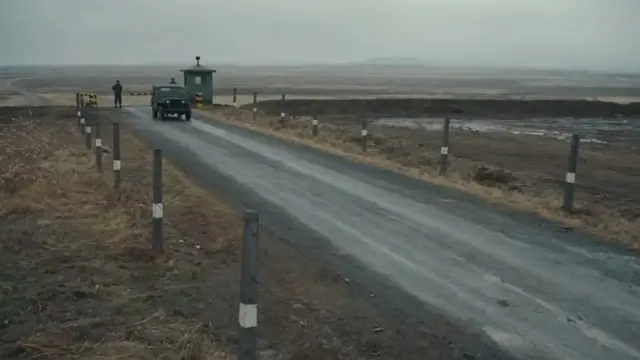
The Last Border: Escape Documentary Prompt
The 7-Day Essay Writing System System Overview This is a daily guided framework for writing a 2,500–3,000 word academic essay. Each day includes: - A focused task - AI prompt to execute the task - Student tips & checklist Daily Steps Day 1: Topic Analysis & Research Question Task: Refine your essay topic and form a clear research question. Checklist: - [ ] Thesis takes a clear position - [ ] Outline follows logical flow - [ ] Each body paragraph supports thesis Checklist: - [ ] Research question is specific and debatable - [ ] Scope fits word count - [ ] Preliminary keywords identified Day 2: Thesis Statement & Outline Task: Develop a strong thesis and structured outline. AI Prompt: Day 3: Introduction Draft Task: Write a compelling introduction. AI Prompt: Checklist: - [ ] Hook grabs attention - [ ] Background is relevant - [ ] Thesis is clearly stated Day 4–5: Body Paragraphs (Two Days) Task: Draft two body paragraphs per day. AI Prompt (for each paragraph): Checklist per paragraph: - [ ] Clear topic sentence - [ ] Evidence included - [ ] Analysis connects to thesis - [ ] Transition to next paragraph Day 6: Conclusion & References Task: Write conclusion and draft reference list. AI Prompt for Conclusion: Checklist: - [ ] Conclusion reinforces thesis - [ ] References are correctly formatted - [ ] No new arguments in conclusion Day 7: Revision & Polish Task: Edit for clarity, grammar, and flow. AI Prompt: Final Checklist: - [ ] Read essay aloud for flow - [ ] Check formatting guidelines - [ ] Verify citations match references - [ ] Run plagiarism check if required Pro Tips for Students - Use AI as a co-pilot, not a replacement for your own critical thinking. - Always verify AI-suggested sources. - Customize outputs to match your professor’s guidelines. - Save each day’s work in a separate document. Adaptation Guide - Short essay (1,500 words): Combine Days 4–5 into one day. - Research paper (5,000+ words): Extend each body section to multiple paragraphs. - Different disciplines: Adjust tone (e.g., more data-driven for sciences, more theoretical for humanities). Created by [Your Name/Username], a student for students.
The 7-Day Essay Writing System From Topic to Final Draft
 ⚡ 5
Luxury Beauty Advertising Storyboard Prompt
 ⚡ 5
Cinematic Love Storyboard: A K-Drama Adventure
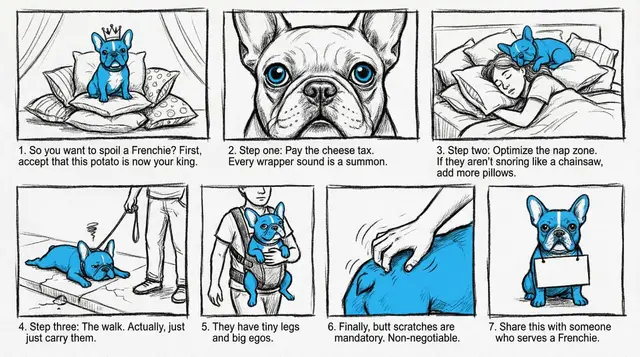 ⚡ 5
Crafting a Compelling Storyboard for Short Videos
 ⚡ 3
Luxury Toothpaste Commercial Storyboard
About this collection
Writing and storytelling prompts for narratives, scripts, storyboards and long-form content. Structured to give the model a clear premise, voice and structure so the output reads like a draft you can build on.
Frequently asked questions
What kinds of writing are covered?
Fiction, scripts, storyboards and structured long-form content, each with a dedicated prompt style.
How do I keep a consistent voice?
Define the tone and narrator up front; the prompts prompt you for exactly these.
Which models work best?
These are model-agnostic and work well with Claude, ChatGPT and similar assistants.