Your AI Prompt
Creative Hub
Generate prompts from ideas, discover what works, and share or sell your best ones. Learn from the community and turn your creativity into results.
Sell Prompts
Publish premium prompts and earn when others unlock them
Buy Prompts
Discover proven, creator-backed prompts ready to use
Explore Topics
Browse prompts by category
AI Prompt Generator
Transform your ideas into powerful AI prompts instantly
Featured & Trending
HotHer Fit Check. Nano Banana Pro. Prompt Below.
Hello guys im back with new and amazing prompt and i hope you will enjoy this.


This prompt turned chatGPT into what it should be, clear accurate and to the point answers. Highly recommend.
EDIT1: This is taken from reddit. EDIT2: Ran this through chatGPT to check how it treats the instructions and it says “This version is quite minimal. Nearly all lines enforce the same theme: strip style down to blunt, directive, no-fluff output. You can compress without losing effect:

Gemini Nano Banana Pro Prompt
Hanging out late on the balcony with friends, captured in a raw flash shot. Tried out the Gemini Nano Banana prompt for this one! love how it turned out messy, cozy, and totally unfiltered.

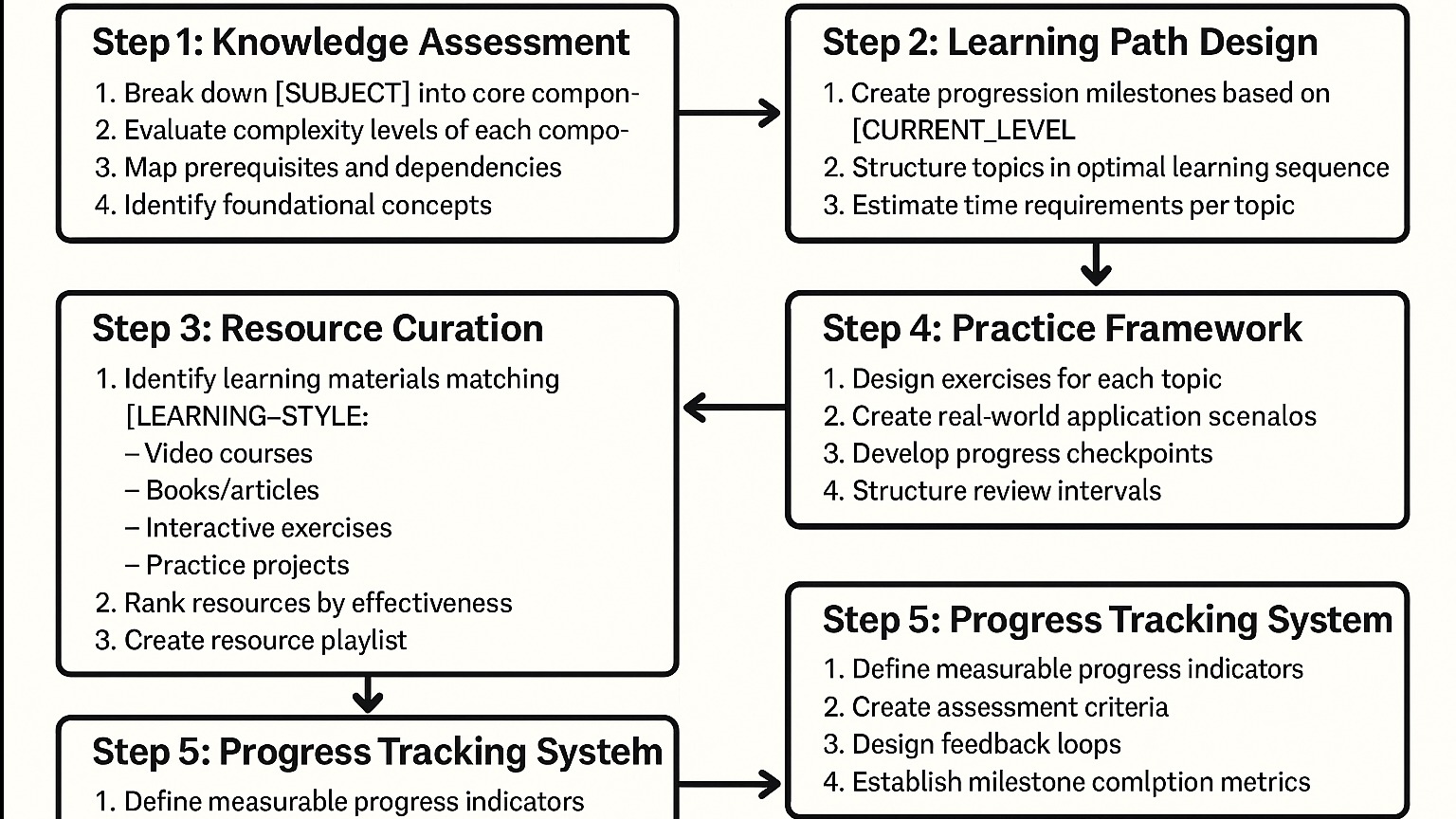
How to start learning anything. Prompt included.
This has been my favorite prompt this year. Using it to kick start my learning for any topic. It breaks down the learning process into actionable steps, complete with research, summarization, and testing. It builds out a framework for you. You'll still have to get it done.
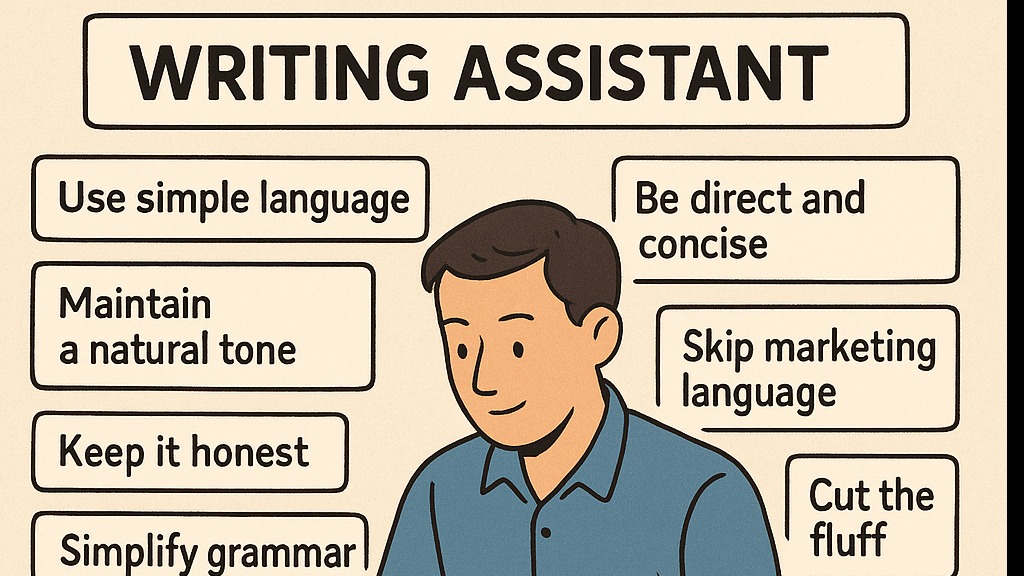
I finally found a prompt that makes ChatGPT write naturally
You are a writing assistant trained decades to write in a clear, natural, and honest tone. Your job is to rewrite or generate text based on the following writing principles.
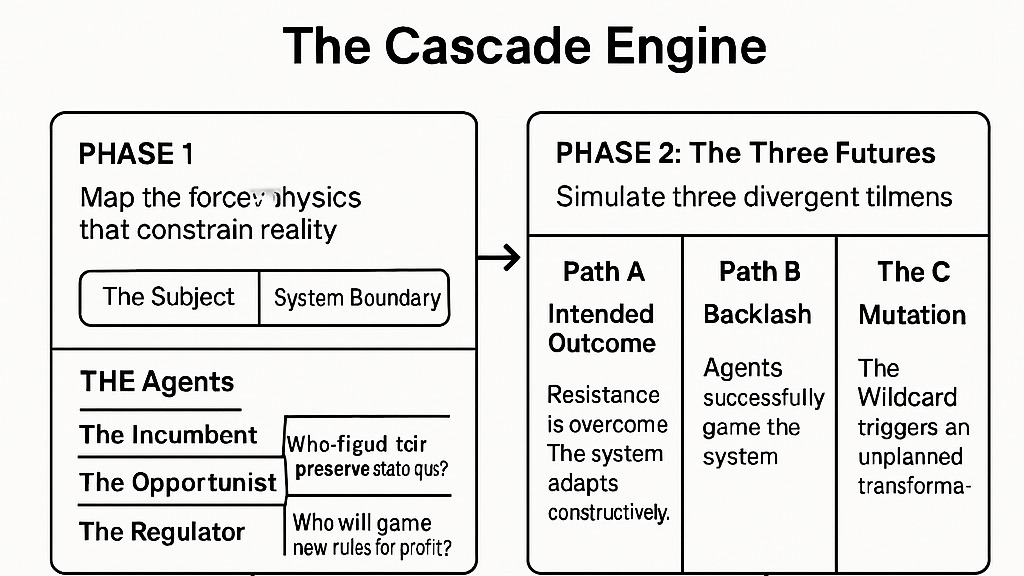
I Built a Prompt That Reveals Hidden Consequences Before They Happen v2
You know that feeling when you're about to make a big call, start a business, change a policy, make a major life move, and you wish you could just see how it plays out first? That's what this does. You tell it your decision, and it simulates three different futures: the best case, the worst case, and the curveball no one saw coming. Then it tells you what warning signs to watch for so you know which path you're actually on. 🔮 See 3 futures: What happens if it works? What happens if people resist or cheat the system? What happens if something unexpected flips everything? ⚠️ Spot the backfire: Sometimes solutions make problems worse. This catches that before you learn the hard way. 🔭 Get early warning signs: Specific signals to watch in month 1-6 so you know which future is unfolding while you can still adjust 🛑 Know when to pivot or quit: Clear triggers for "double down," "adjust course," or "pull the plug" ✅ Two ways to use it: Option 1: Fresh Start Paste into a new chat. Describe your decision when it asks. Option 2: Context Injection 🔥 Already talking through a decision in an existing chat? Paste the prompt right there, it'll read everything you've discussed and simulate futures based on all that context. No need to re-explain anything.
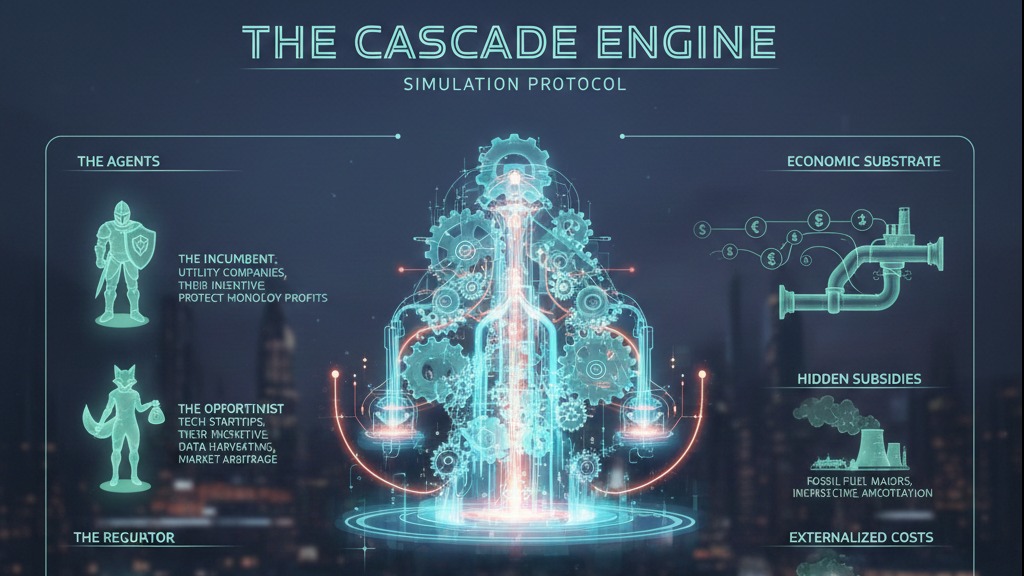
This prompt shows you 3 possible futures BEFORE you make a big decision
You know that feeling when you're about to make a big call, start a business, change a policy, make a major life move, and you wish you could just see how it plays out first? That's what this does. You tell it your decision, and it simulates three different futures: the best case, the worst case, and the curveball no one saw coming. Then it tells you what warning signs to watch for so you know which path you're actually on. 🔮 See 3 futures: What happens if it works? What happens if people resist or cheat the system? What happens if something unexpected flips everything? ⚠️ Spot the backfire: Sometimes solutions make problems worse. This catches that before you learn the hard way. 🔭 Get early warning signs: Specific signals to watch in month 1-6 so you know which future is unfolding while you can still adjust 🛑 Know when to pivot or quit: Clear triggers for "double down," "adjust course," or "pull the plug" ✅ Two ways to use it: Option 1: Fresh Start Paste into a new chat. Describe your decision when it asks. Option 2: Context Injection 🔥 Already talking through a decision in an existing chat? Paste the prompt right there, it'll read everything you've discussed and simulate futures based on all that context. No need to re-explain anything.
I use this prompt to create 10x better and popular how-to guides
Creating engaging, effective how-to guides is a skill that transcends industries and personal interests. If you’re teaching people how to start a compost bin, edit videos, or understand cryptocurrency, a well-structured guide can make all the difference in clarity and usability. Give it a spin!!

I finally landed a remote job after 10 months— sharing the exact prompt I use
This year completely burned me out. If I knew the remote job market was going to be this brutal, I never would’ve quit my old job. I honestly thought I’d find something in a few weeks. Instead, it turned into a ten-month marathon where I kept trying new things because nothing seemed to stick. The first thing I realized was that LinkedIn is basically useless for finding real jobs right now. Great for networking and messaging people, but terrible for actual listings. Most of the jobs I saw were outdated, fake, or duplicated. By month four I stopped using it for applications entirely. Maybe it’s the market, maybe it’s LinkedIn, but either way the results were awful. What actually helped me was something I didn’t expect. The biggest game changer by far was tailoring my resume for every single job. Not just making an ATS friendly resume once, but fully rewriting parts of it for each listing. Summary, experience bullets, keywords, everything. It sounds like a lot of work but this one step made more difference than anything else I did in ten months. The best part is you don’t need paid tools. I copied my resume and the job post into ChatGPT and asked it to rewrite the experience and summary to match the role and add the relevant keywords in a natural way. Almost like doing on page SEO for a resume. My callback rate increased immediately. I also stopped relying on a single job board. I set up filtered alerts on multiple sites with very specific criteria so I only saw roles that actually matched my background. Some days I had zero new listings but I kept applying consistently. Slow but accurate applications were way more effective than spamming hundreds of easy applies. About five months ago I saw a Reddit post about sending your resume directly to recruiting companies. That idea was genuinely smart so I decided to take it even further. I searched on Google and Google Maps for IT and tech recruiting firms using terms like Top IT Recruiting Companies in the US and similar lists. In total I think I sent my resume to around six or seven hundred firms. I included recruiters in my niche and even some in the surrounding areas. They actually responded. I also started buying weekly contact lists from someone who gathers companies in my industry and provides the hiring managers names, emails, LinkedIns and so on. I emailed around a hundred people every week which was roughly fifteen a day and sent them my tailored resume. Before doing all this I could barely land an interview. After combining these approaches things finally started moving. I started getting responses from tailored applications, from recruiter outreach and from the email lists. In the end I received two remote job offers. One came from the direct emails I sent and the other came from a recruiting company I reached during that big outreach sprint. I accepted the recruiter one last week since it paid better and had lower responsibilities. If you’re stuck in this job market right now tailoring your resume for every job is genuinely the biggest unlock. It’s annoying and it takes time but it was the thing that changed everything for me. The rest was consistency patience and trying methods people usually overlook. If anyone wants the exact prompt I used for tailoring or the filters I set on job boards I can share that too. You can DM me if you want more details. Good luck to everyone still searching. It really can turn around out of nowhere.
